

News & Event
Our group developed to three factories, which is specialized in producing PVC PANEL, PVC FILM and WPC.
? Indoor vs Outdoor Applications of PVC Wall Panels: Key Differences and Practical Insights
Editor:Haining Haowang Group Co.,Ltd. │ Release Time:2025-09-15
Polyvinyl chloride (PVC) wall panels have emerged as one of the most versatile and practical construction and finishing materials available today. Known for their lightweight nature, durability, water resistance, and wide variety of design options, they are increasingly replacing traditional wall cladding materials such as ceramic tiles, wood, or stone in many contexts. However, while PVC wall panels share the same basic construction, their performance and suitability can vary significantly depending on whether they are used indoors or outdoors.
Material Characteristics That Influence Application
Before examining indoor versus outdoor use, it is important to understand the fundamental material characteristics of PVC wall panels:
Moisture resistance: PVC panels are impermeable to water, making them ideal for humid environments such as bathrooms and kitchens.
Surface finishes: Panels may be laminated, printed, or hot-stamped to provide a range of decorative appearances, from wood grain to marble effects.
Thermal expansion: PVC is sensitive to temperature changes and expands or contracts under significant thermal variation, which is especially relevant for outdoor environments.
UV stability: Exposure to sunlight can degrade untreated PVC, causing discoloration or brittleness over time. Panels intended for outdoor use typically receive UV-resistant coatings.
Fire performance: Most panels are self-extinguishing, though their fire resistance depends on additives and compliance with safety standards.
These baseline properties set the foundation for understanding how performance shifts between interior and exterior contexts.
Indoor Applications
1. Bathrooms
Bathrooms are perhaps the most common setting for PVC wall panels due to their water resistance. Unlike tiles, panels do not require grout, minimizing mold growth and simplifying cleaning. Their smooth surface allows water to run off easily, and installation is quicker compared to tilework. Additionally, decorative finishes such as glossy marble or stone imitations create a premium look without the weight and expense of natural materials.
2. Kitchens
In kitchens, panels provide splash resistance around sinks and countertops. Their non-porous surface resists stains from oils and sauces, while also allowing for easy cleaning with mild detergents. Heat exposure from stoves must be considered; panels should not be installed too close to open flames or high-temperature zones, but in other areas, they provide a hygienic and cost-effective wall solution.
3. Living Rooms and Bedrooms
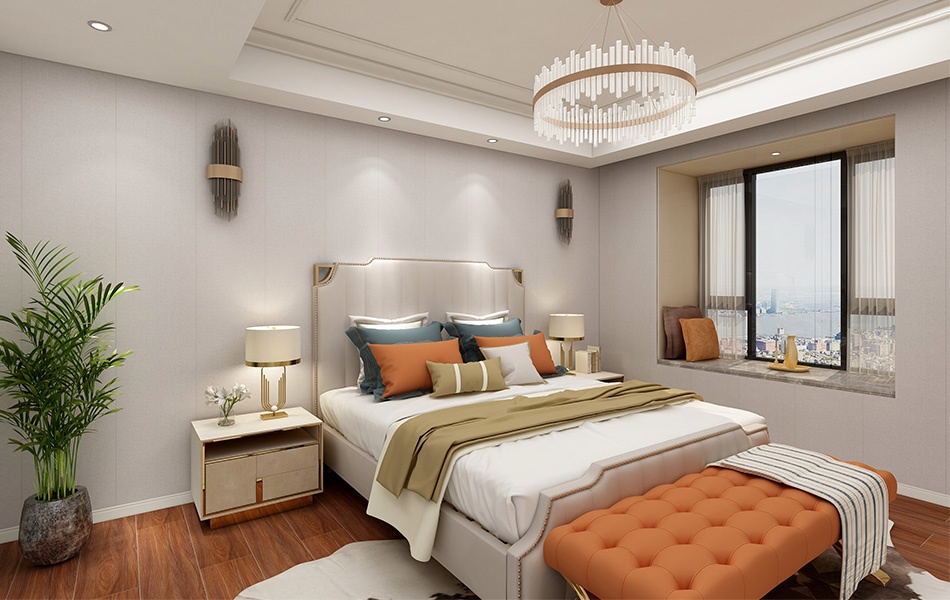
In dry areas such as living rooms and bedrooms, PVC panels are often chosen for decorative purposes. Textured or printed finishes can replicate wood, stone, or fabric, creating a cozy or modern ambiance. Their lightweight nature reduces load on structures, and installation is often faster than applying plaster or painting. Acoustic properties can be enhanced with thicker panels, offering modest sound insulation.
4. Commercial Interiors
Offices, hotels, and retail shops often use PVC panels due to their balance of aesthetics and practicality. In commercial spaces, speed of installation and ease of maintenance are priorities. Panels can be replaced individually if damaged, minimizing downtime. Fire-rated versions are commonly required in compliance with building codes for public buildings.
Outdoor Applications
1. Facades
PVC wall panels are used as cladding for building exteriors, providing a modern aesthetic while protecting underlying structures. To withstand outdoor exposure, panels must incorporate UV stabilizers to resist fading and embrittlement. Additionally, thermal expansion becomes a design consideration, and installation must allow for controlled movement of panels without warping.
2. Balconies and Patios
In semi-exposed environments such as balconies or patios, PVC wall panels provide a balance between decorative appearance and weather resistance. They resist rain and humidity but may require additional protective coatings in regions with intense sun exposure. For windy or storm-prone areas, panel fastening systems must be reinforced to prevent loosening.
3. Outdoor Commercial Spaces
Restaurants, kiosks, and temporary event structures often employ PVC panels due to their portability and modular installation. Their lightweight nature makes them easy to transport and install, while surface finishes offer branding and decorative flexibility. However, durability must be monitored closely, as heavy mechanical impact or prolonged UV exposure can reduce service life.
Comparative Analysis: Indoor vs Outdoor Applications
| Factor | Indoor Applications | Outdoor Applications |
| Moisture Resistance | Essential in bathrooms/kitchens; excellent performance | Strong, but rain combined with temperature cycles requires proper sealing |
| UV Resistance | Minimal concern, panels remain stable | Critical; requires UV-stabilized or coated panels |
| Thermal Expansion | Minor impact in climate-controlled interiors | Significant; expansion joints and flexible mounting required |
| Durability | Resistant to daily wear and cleaning agents | Must withstand wind, impact, and weather extremes |
| Aesthetic Flexibility | Wide range of decorative finishes | Limited by outdoor coatings and durability requirements |
| Maintenance | Low; cleaning with mild detergents | Higher; requires inspection for fading, cracks, or loosening |
Installation Considerations
Indoor installation: Panels can be mounted directly onto existing walls with adhesives or screws. Humidity does not affect adhesion, provided substrates are properly prepared.
Outdoor installation: Fasteners must be corrosion-resistant, and systems should allow for expansion gaps. Sealing edges and joints is essential to prevent water ingress. Proper ventilation behind panels can also mitigate condensation and heat buildup.
Failure to account for these differences often leads to premature wear or panel deformation in exterior environments.
Maintenance Practices
Indoors: Maintenance typically involves wiping panels with a damp cloth or mild cleaning solution. Avoiding abrasive cleaners preserves decorative finishes.
Outdoors: Maintenance includes regular washing to remove dirt and pollutants, reapplication of protective coatings if necessary, and periodic inspection of joints and fasteners to ensure stability.
Outdoor panels may eventually require replacement more frequently than indoor panels due to environmental stressors, though proper care can extend their service life considerably.
Cost and Lifecycle Considerations
From an economic perspective, PVC wall panels are generally more cost-effective than alternatives such as tiles, wood, or metal cladding. Indoors, their long service life and minimal maintenance make them highly competitive. Outdoors, initial cost savings must be balanced against potential UV-related degradation and higher maintenance requirements. Nevertheless, for temporary or modular structures, their ease of installation and low weight often outweigh concerns about longevity.
PVC wall panels offer significant advantages in both indoor and outdoor applications, but performance varies depending on environmental conditions. Indoors, they excel in bathrooms, kitchens, living rooms, and commercial interiors, providing durability, water resistance, and aesthetic flexibility. Outdoors, they can serve as cladding for facades, balconies, and commercial installations, provided UV stabilization, proper installation, and regular maintenance are applied.
Understanding the differences between indoor and outdoor applications allows architects, engineers, and builders to maximize the performance and lifespan of PVC wall panels. By carefully selecting panel types, surface treatments, and installation methods, these versatile materials can enhance both residential and commercial projects with efficiency and style.
